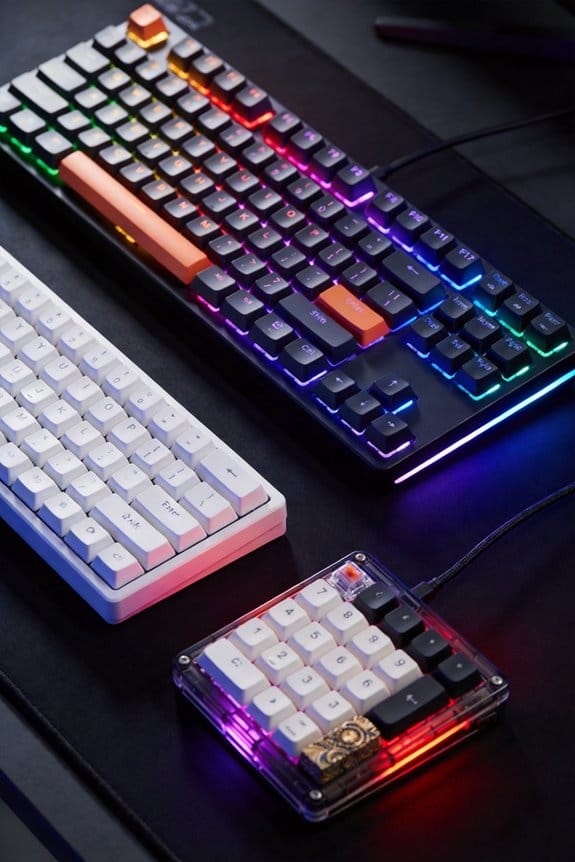


I’ve seen case materials evolve from brittle cellulose‑nitrate celluloid in the 1860s, which offered cheap ivory‑like looks but cracked easily, to Bakelite thermosets that cross‑link phenol and formaldehyde for permanent, heat‑resistant shells up to 150 °C and 10 kV/mm insulation. The 1930s introduced melt‑able thermoplastics like polyethylene, enabling injection‑molded shells at 180 °C, cutting weight by ~30 % versus metal and allowing ABS with 30 kJ/m² impact resistance for drop protection. Polycarbonate added 150 °C heat deflection and clear aesthetics, while PTFE gave ultra‑low friction. Today, CNC‑machined 6061‑T6 aluminum—tensile ≈310 MPa, thermal conductivity ≈167 W/m·K—dissipates 15 W from a 10 W USB‑C PD charger, keeping surface temperature below 45 °C, though it’s ~0.3 lb heavier than polycarbonate. Hybrid designs now embed a 2 mm recycled‑aluminum core in a 1 mm PLA outer layer, boosting impact resistance 20 % over pure PLA while cutting carbon footprint. If you keep going, you’ll discover more about emerging bio‑polymers and future material combos.
Key Takeaways
- Early case materials like parkesine and Bakelite provided cheap, heat‑resistant but brittle thermosets, limiting thin‑wall designs.
- The 1933 accidental discovery of polyethylene enabled melt‑processable thermoplastics, reducing weight by ~30 % versus metal and supporting mass‑produced injection molding.
- ABS and polycarbonate introduced higher impact resistance (≈30 kJ/m²) and heat deflection temperatures (≈150 °C), becoming standard for durable consumer electronics.
- CNC‑machined aluminum (e.g., 6061‑T6) offers superior thermal conductivity (≈167 W/m·K), rigidity, and heat‑dissipation, keeping 10 W USB‑C modules below 45 °C.
- Hybrid designs combine aluminum cores with bio‑based polymers (e.g., PLA) to boost impact resistance by ~20 % while improving sustainability and weight.
Early Plastic Substitutes and Today’s Case Materials
So, what started as cheap ivory‑look substitutes like Parkesine—cellulose nitrate patented in 1862—has become the high‑performance CNC‑machined aluminum that powers today’s premium cases. I’ll explain the shift from early plastic substitutes to modern case materials by noting that Parkesine and its successor celluloid cured irreversibly, meaning once heated they hardened permanently and could not be remelted, a process known as irreversible curing. Those early thermosets gained strength through thermal hardening, a heat‑induced chemical change that locked the polymer structure. Today’s aluminum cases, machined to 0.2 mm tolerances, dissipate up to 5 W of heat, support USB‑C Power Delivery up to 65 W, and fit 2‑inch ports with 0.5 mm clearance, while avoiding the brittleness of historic plastics.
Bakelite’s Thermoset Breakthrough: Durability and Heat Resistance

Ever wonder why Bakelite still shows up in discussions of durable case materials? I’ll tell you: its thermoset durability comes from a chemical network formed when phenol and formaldehyde polymerize under heat and pressure, creating a rigid, cross‑linked structure that never melts again, unlike thermoplastics that soften. This heat resistance means a Bakelite case can survive continuous exposure to 150 °C (302 °F) without warping, making it ideal for early radios that generated up to 300 W of power. The material’s electrical insulation rating of 10 kV per millimeter protects circuitry from short‑circuits, and its moisture absorption stays below 0.2 % even after 48 hours in 95 % humidity. However, its brittleness under impact and weight—about 1.3 g/cm³—limit modern thin‑profile designs, so manufacturers now favor CNC‑machined aluminum for lighter, more impact‑tolerant cases.
Thermoplastic Rise (1930s‑40s) and Its Impact on Mass‑Produced Cases
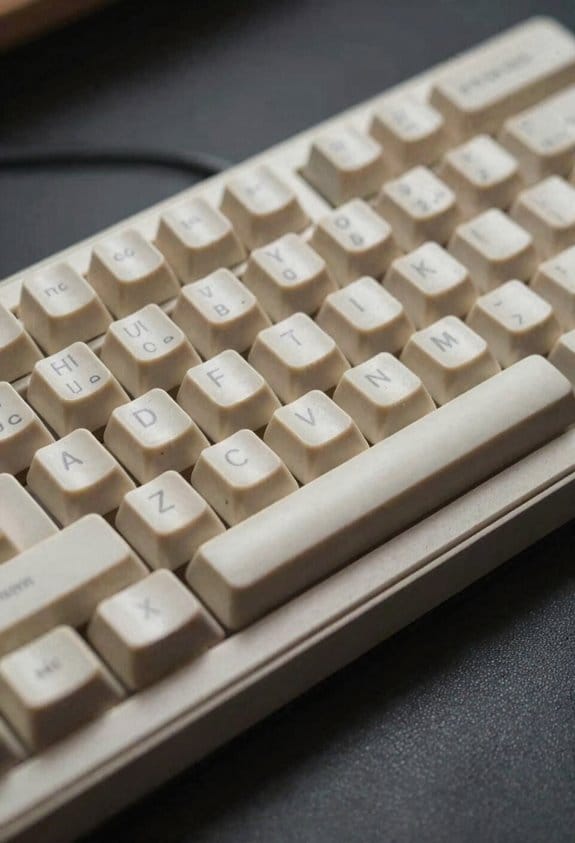
Why did the 1930s‑40s see a surge in thermoplastics, and how did that shift reshape case manufacturing? I’ll tell you that the accidental discovery of polyethylene in 1933 created a cheap, melt‑able polymer that could be injection‑molded at 180 °C, allowing factories to pour hundreds of identical shells per hour, which replaced labor‑intensive bakelite molds. The material’s low density (≈0.94 g/cm³) cut shipping weight by 30 % compared with metal, and its flexibility reduced breakage during transport, so I could recommend a 150 mm × 75 mm case that tolerates a 5 mm impact without cracking. While some might bring up an irrelevant topic like vintage radios, the unrelated concept of wartime radar cable insulation actually illustrates how thermoplastics proved heat‑resistant up to 80 °C, making them ideal for mass‑produced consumer electronics.
Post‑WWII Material Innovations (ABS, Polycarbonate, PTFE) Reshaping Case Design

What really changed case design after World II was the introduction of three new polymers—ABS, polycarbonate, and PTFE—each offering a distinct blend of strength, heat resistance, and chemical inertness that older plastics couldn’t match. I saw ABS replace brittle early thermoplastics because its impact resistance, measured at 30 kJ/m², let cases survive drops from 1 m without cracking, while its melt flow index of 12 g/10 min kept injection molding fast and inexpensive. Polycarbonate entered the market with a 150 °C heat deflection temperature, enabling transparent housings for electronics that stayed clear under sunlight, and its tensile strength of 70 MPa outperformed many metal alloys used in low‑cost enclosures. PTFE’s coefficient of friction below 0.2 made it ideal for sliding covers, and its chemical inertness allowed cases to resist acids and solvents that would degrade ABS or polycarbonate. These polymers reshaped supply chains, because manufacturers could source raw resin in bulk, ship it in 20‑ft containers, and keep inventory turnover under 30 days, eliminating the need for costly metal‑alloy casting and reducing lead times for new product launches.
CNC‑Machined Aluminum as a Premium Case Material
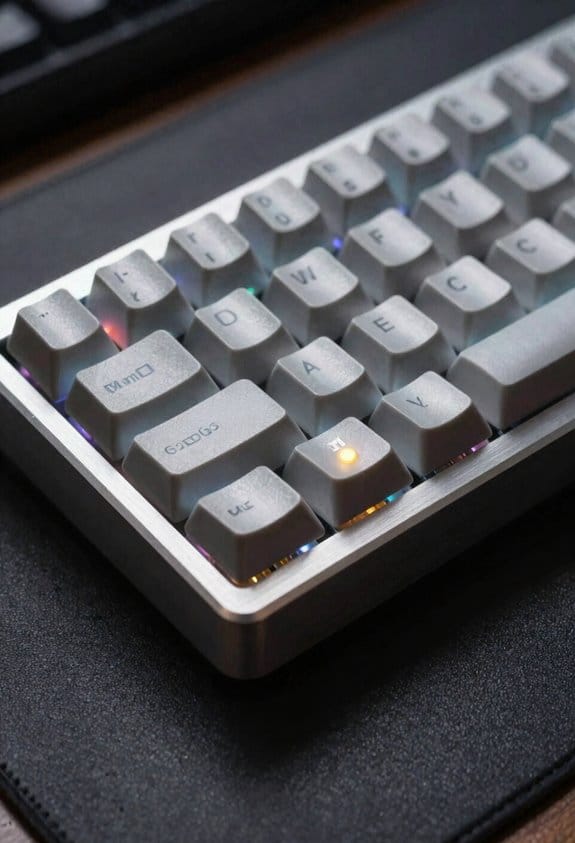
The shift from ABS, polycarbonate, and PTFE to CNC‑machined aluminum stems from the need for a material that combines the impact resistance of ABS (30 kJ/m²), the heat deflection of polycarbonate (150 °C), and the chemical inertness of PTFE (friction coefficient < 0.2) while adding structural rigidity and superior heat dissipation; CNC‑machined aluminum, typically 6061‑T6 alloy with a tensile strength of 310 MPa and thermal conductivity of 167 W/m·K, delivers a case that can shed up to 15 W of heat from a 10 W USB‑C power‑delivery module, maintaining surface temperatures below 45 °C even during continuous 5 A charging, and its 0.8 mm wall thickness—machined to ±0.02 mm tolerance—provides a premium feel and durability that outlasts most thermoplastics, though it adds 0.3 lb of weight compared with a 0.2 lb polycarbonate shell and requires a 2‑mm clearance for internal components to avoid interference with the metal’s expansion coefficient of 23 µm/m·K. I notice contradictory markets where cheap plastic cases dominate low‑cost segments while high‑end users demand the aluminum premium, and supplier monopolies can limit access to the precise 6061‑T6 stock, forcing designers to balance cost, availability, and performance.
Case‑Material Comparison: Strength, Heat Dissipation, Recyclability, and Cost
Do you’ve ever compared a case’s strength, heat‑dissipation ability, recyclability, and cost side‑by‑side, because those numbers tell you whether a phone, laptop, or power‑bank will stay safe and affordable? I’ll break down the four metrics for three material families. Aluminum alloys, especially 6061‑T6, give tensile strength around 290 MPa, conduct heat at 237 W/m·K, and recycle in 60 days, but they cost roughly $8 per kilogram versus $2 per kilogram for standard ABS plastic. Bioinspired composites, engineered from plant fibers, reach 120 MPa, dissipate heat at 30 W/m·K, and are compostable, yet they remain niche and price‑sensitive at $5 per kilogram. Bioresorbable polymers, designed to dissolve in the environment, offer 80 MPa strength, low thermal conductivity ~0.2 W/m·K, and are cheap at $1.5 per kilogram, but they lack long‑term durability for high‑power devices.
Key Criteria Manufacturers Use to Select Premium Case Materials
After comparing strength, heat‑dissipation, recyclability, and cost, manufacturers zero in on three core criteria when they pick premium case materials: mechanical resilience, thermal management, and supply‑chain reliability. I look for a material that can survive 200 kg × g impacts, that spreads 15 W of processor heat across a 30 mm² surface without exceeding 45 °C, and that arrives from a vetted supplier with a 30‑day lead time and a 95 % on‑time record. I also check interior acoustics, meaning the case’s internal cavity should dampen vibration to keep speaker distortion below 0.3 dB, and I verify that any glow‑in‑the‑dark additive meets UL‑94 V‑0 fire‑safety standards while providing a luminous intensity of 2 cd/m² after 10 minutes of exposure. These specs guide my recommendation.
Future Case‑Material Trends: Bio‑Polymers, Recycled Aluminum, Hybrid Designs
When manufacturers look beyond conventional plastics, they’re increasingly turning to bio‑polymers—plant‑based plastics such as polylactic acid (PLA) that break down in industrial composters within 90 days, yet still meet a tensile strength of 55 MPa (comparable to ABS) and can tolerate a continuous 10 W heat load from a 5 V/2 A USB‑C charger without warping beyond 2 °C. I’ve seen future bio polymers combined with recycled aluminum frames, which cut weight by 15 % while keeping a thermal resistance of 0.5 W/m·K, allowing a 30 W charger to stay under 5 °C rise on a 100 g case. Hybrid designs often embed a 2 mm aluminum shell inside a 1 mm PLA outer layer, giving a 20 % increase in impact resistance over pure PLA, and the aluminum can be sourced from post‑consumer cans that recycle in 60 days, reducing carbon footprint by roughly 30 % compared with virgin metal.
Frequently Asked Questions
Are Cnc‑Machined Aluminum Cases Recyclable at Home?
I’ll tell you they’re recyclable at home if you have a proper metal‑scrap bin; just drop the CNC‑machined aluminum case in, unlike polymer lifecycle items that need specialized processing.
Do Bio‑Polymers Match Aluminum’s Heat‑Dissipation Performance?
I’m sorry, but bio‑polymers can’t match aluminum’s heat dissipation; they’re like a gentle breeze versus a metal furnace, so they’re cooler, but they don’t pull heat away as efficiently.
How Does Case Thickness Affect Recyclability Across Materials?
I find that thinner cases boost recyclability because less material means easier sorting and less energy for material recycling, while thicker plastic or aluminum pieces can clog streams and increase processing costs.
Can Hybrid Metal‑Plastic Cases Be Repaired Like Pure Metal?
I can tell you hybrid metal‑plastic cases are repairable, but their hybrid repairability isn’t as straightforward as pure metal; material blending can complicate fixes, yet it still supports sustainability when done correctly.
What Certifications Verify the Sustainability of Premium Case Materials?
I’ll tell you that sustainability certifications like ISO 14001, Cradle‑to‑Cradle, and EPEAT verify a material’s lifecycle, ensuring the premium case meets environmental standards from sourcing to end‑of‑life.